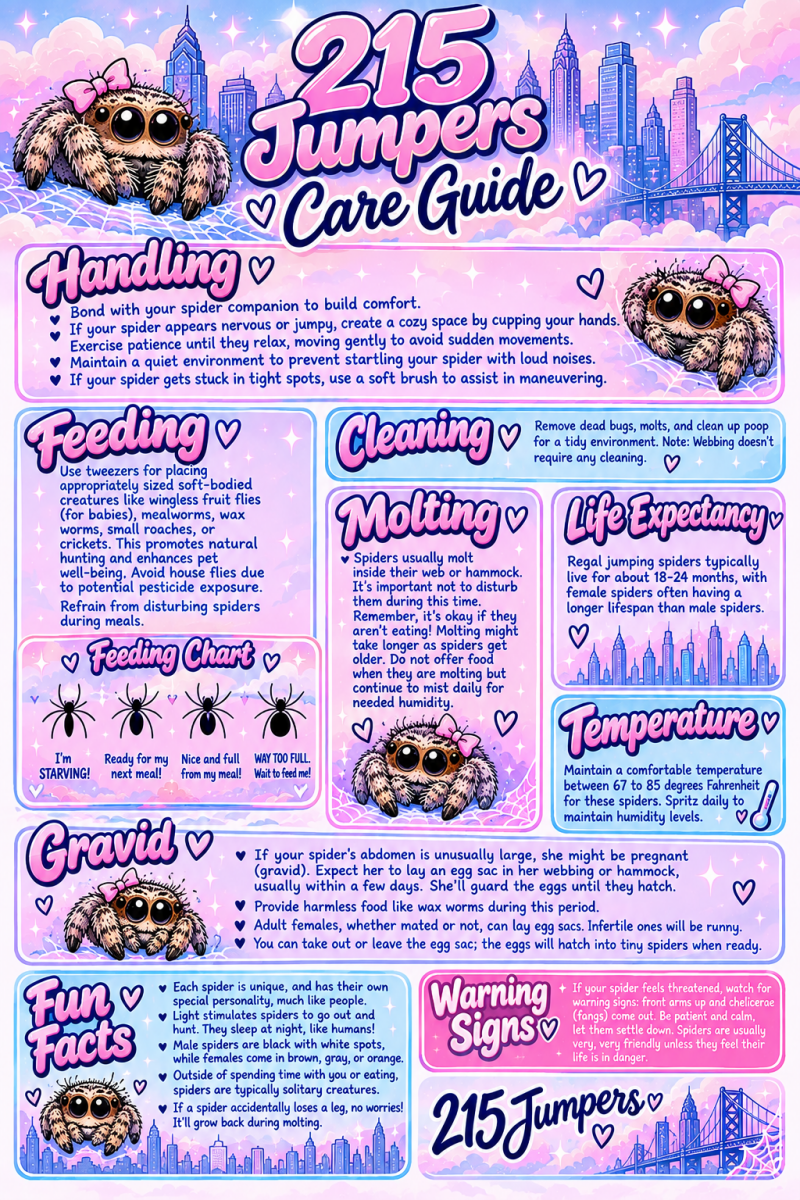
Jumping spider care guide
Welcome to our essential care guide for regal jumping spiders. Whether you are welcoming your very first tiny friend or expanding your collection, keeping your jumper healthy and thriving is simple once you know the basics of their home, diet, and unique natural behaviors.
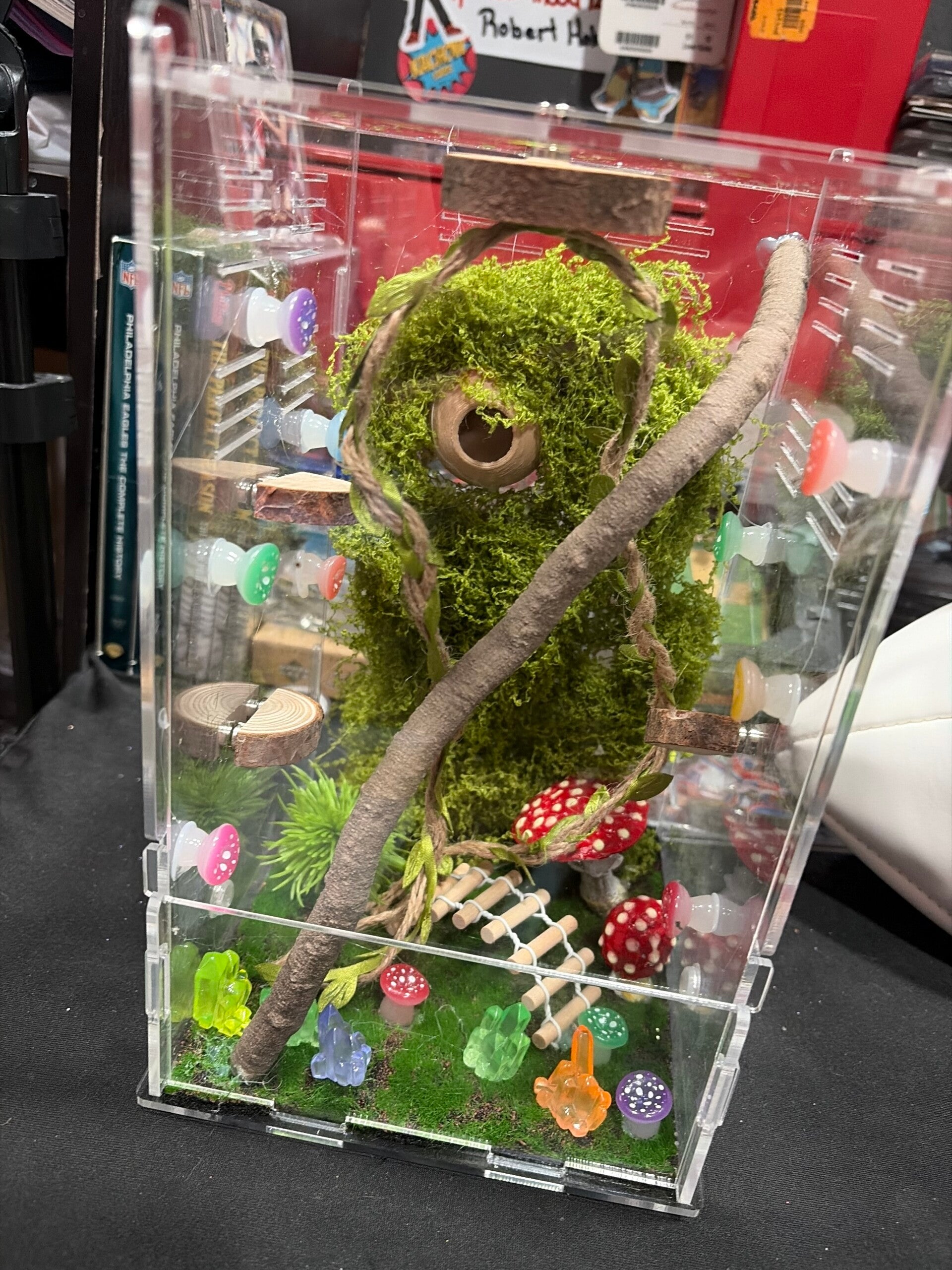
Enclosure setup and daily humidity
Jumping spiders are arboreal creatures that love to climb. Choose a taller-than-wide enclosure featuring plenty of cross-ventilation and secure latches. Decorate the upper area with artificial foliage, climbing ledges, and cozy hiding spots so they can anchor their sleeping hammocks high up. Maintain gentle temperatures between 70°F and 80°F, away from harsh direct sunlight. For hydration, lightly mist the terrarium walls to produce fine drinking droplets—never spray your spider directly or allow stagnant moisture to build up.
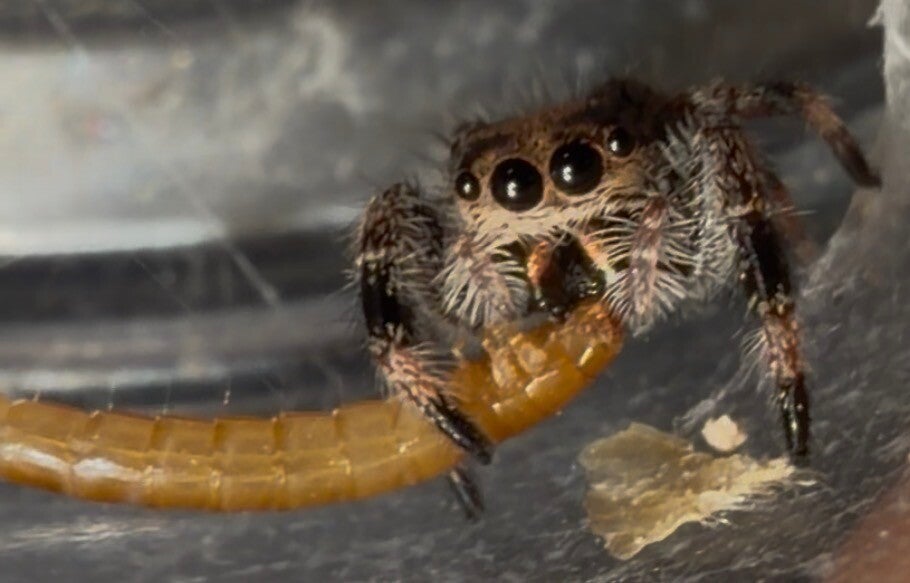
Feeding routines and nutrition
Feed your spider nutritious live prey suited to their current life stage. Slings and younger juveniles thrive on flightless fruit flies, while adults enjoy appropriately sized small crickets, green bottle flies, and waxworms. Base feeding schedules on their age, appetite, and abdomen fullness. Always remove uneaten live insects promptly so they do not stress your spider, and never offer wild-caught bugs that may carry harmful pesticides or parasites.
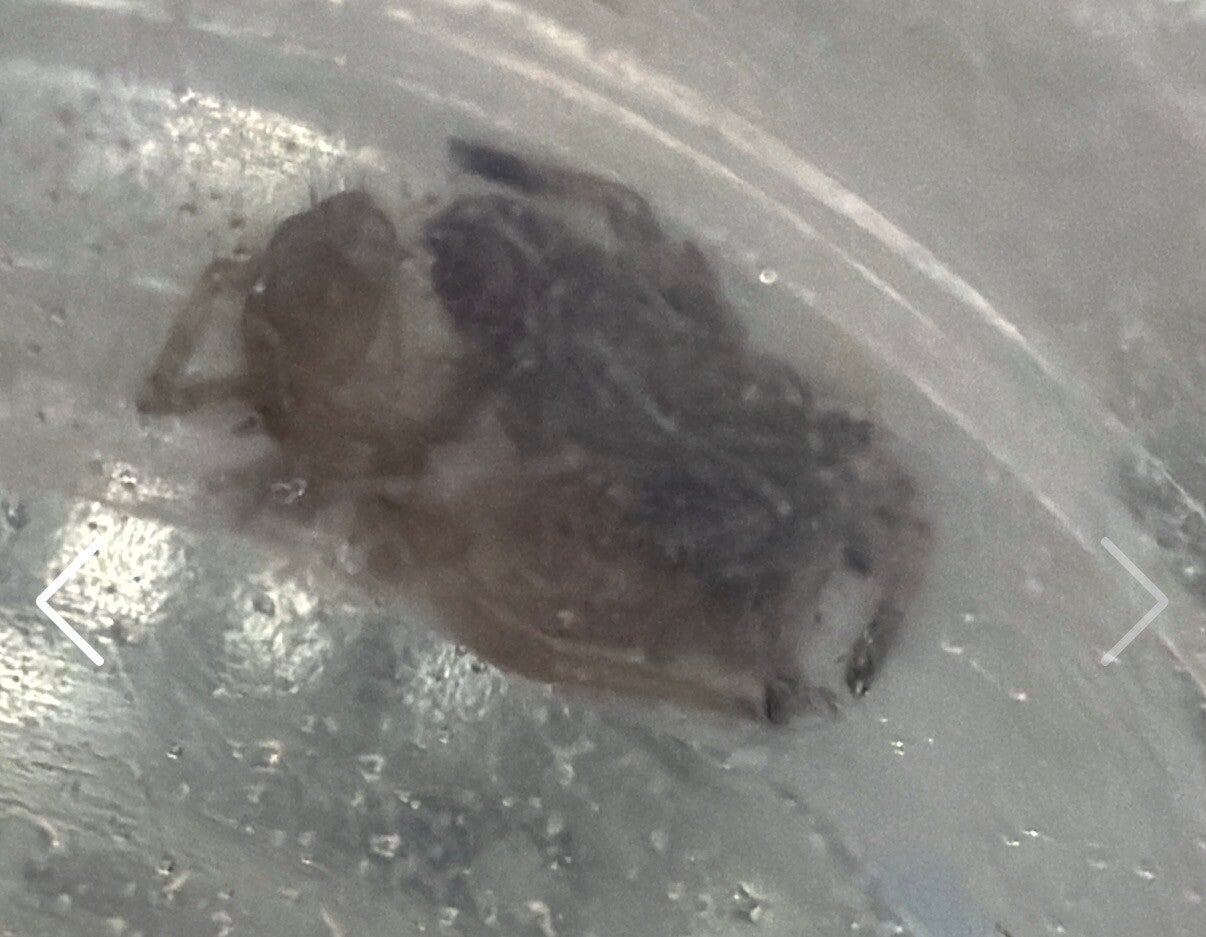
Molting and natural behaviors
It is entirely normal for regal jumpers to retreat into thick silk nests, refuse food, or remain motionless for days when preparing to molt. The single most important rule for beginners is to leave molting spiders undisturbed. Remove any loose feeder insects immediately, keep drinking droplets accessible nearby, and never attempt to peel away old exoskeleton. Once your jumper emerges, allow several days for their delicate new exoskeleton and fangs to fully harden before offering food.